
When Should You Winterize a Sprinkler System in East Tennessee?
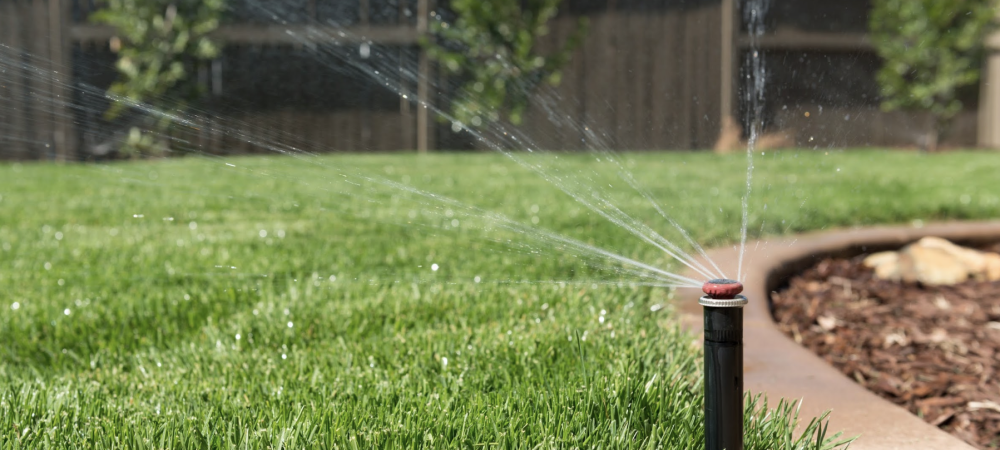
You should winterize your system before the first hard freeze, which in Eastern Tennessee usually means the second half of October through early November. According to the National Weather Service office, the median first frost lands on October 24 and the median first freeze on November 2. Waiting for cold weather to actually arrive is cutting it close, because freeze damage happens on the first bad night, not gradually over the season.
Most irrigation systems in East Tennessee are shut down sometime between mid October and mid November. The exact timing depends on your elevation, how exposed the equipment is, and how much longer you plan to run the system in the fall.
Is Winterizing Really Necessary This Far South?
Yes, and the reason is the specific kind of winter East Tennessee gets. This is not a climate with a long, steady deep freeze that pushes frost far into the ground. It is a climate that swings. A stretch of 60 degree afternoons can be followed by a night in the low 20s, and equipment that has been sitting full of water through a mild week is exactly what breaks when that night arrives.
Homeowners who moved here from colder states sometimes assume the mild average temperature means they can skip the shutdown. Homeowners who moved from further south sometimes assume freezing is not a real risk at all. Both end up calling about a cracked backflow assembly in the springtime.
What Happens If the System Doesn't Get Winterized?
Usually nothing visible until spring. Freeze damage hides until the system is pressurized again, and then it shows up as a soaked area near the backflow assembly, a zone that will not build pressure, heads that mist instead of spraying, or a valve that will not close. Spring is also when irrigation crews are busiest, so a repair that could have been avoided in October competes with startup season in April.
The other cost is agronomic. A zone that goes down in May takes the affected part of the lawn with it during the hottest, driest stretch of the year, right when some grasses like Fescue are least able to recover.
What Does Winterizing an Irrigation System Involve?
The goal is simple: get the water out and keep the controller from turning the system back on. Getting there takes a few coordinated steps.
- Shutting off the dedicated water supply to the irrigation system, usually at an isolation valve separate from the house supply.
- Draining the system. Depending on how the system was built, this happens through manual drain valves, automatic drains, or a compressed air blowout that pushes water out through the heads zone by zone.
- Protecting or removing the backflow assembly. Test cocks are opened so trapped water can escape, and the assembly is insulated or removed depending on the type of device and what your utility allows.
- Setting the controller to a scheduled cycle that does not pull water back into empty lines mid winter.
The blowout step is where most damage happens when it goes wrong. Air pushed at too high a pressure, or run too long on a dry zone, will destroy the seals, gears, and nozzles it was supposed to protect. Irrigation contractors match air volume and pressure to the system design, work one zone at a time, and stop before the zone runs dry. That is the part of the process that is worth handing to someone with the right equipment.
Questions about the shutdown timing on your system, or unsure what type of backflow device you have? Contact Grover Turf Care for professional irrigation services in Knoxville and surrounding areas, with knowledgeable technicians who know exactly how to winterize your system and help prevent costly issues.