
What Causes Those Brown Rings in Yards? Knoxville Lawn Diseases
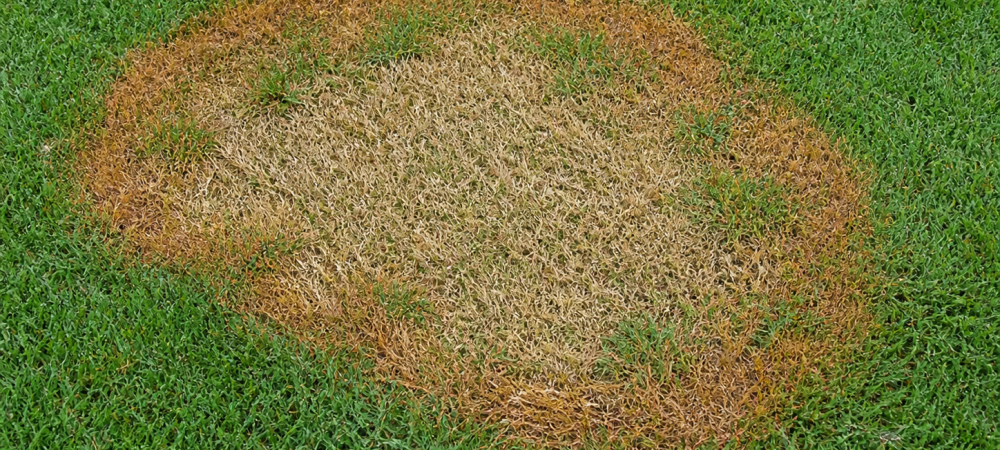
If you have zoysia grass in Knoxville and you are seeing large brown rings appear in fall or linger into spring, large patch disease is the likely culprit. Here is what causes it and what you can do about it.
Large Patch Disease in Zoysia: What Causes Those Brown Rings in Knoxville Yards?
Those brown rings in your Knoxville zoysia lawn are almost certainly large patch disease, caused by the fungus Rhizoctonia solani AG 2-2 LP. It attacks the base of grass blades at the thatch layer, causing individual shoots to collapse. The patches start small but can expand to more than 20 feet in diameter if left untreated. In East Tennessee, zoysia's popularity has grown steadily across neighborhoods like Farragut, Hardin Valley, and West Knoxville, and with it, the frequency of large patch showing up each fall.
When Does Large Patch Show Up in Knoxville?
Large patch is a cool-weather disease. It becomes active when soil temperatures drop into the 50 to 70°F range, which in Knoxville typically happens in late September and early October. It can also flare up in spring as the lawn comes out of dormancy. The frustrating part is that the infection often sets in during fall but the visual damage, those widening brown rings, does not fully appear until spring green-up. By then, the window for preventative treatment has already passed.
In our experience, that timing gap is where most Knoxville homeowners get caught off guard. The disease looks like a spring problem but it requires a fall response.
How to Spot Large Patch vs. Normal Dormancy
Both produce brown grass, but the patterns are different. Normal dormancy turns the entire lawn brown evenly. Large patch creates distinct circular patches with an orange or yellow ring at the active outer edge. When spring arrives, healthy turf greens up normally while infected areas lag behind or fail to recover entirely. If you are pulling blades from the edge of a patch and seeing reddish-brown lesions at the base of the leaf sheath, that confirms large patch. You can also check our post on common reasons your lawn looks dead to rule out other causes.
What Makes Knoxville Lawns Vulnerable
The fungus behind large patch lives in most East Tennessee soils. Knoxville's fall weather pattern, cool nights, mild days, and frequent rainfall, creates ideal conditions for it to activate. Several site factors make it worse:
- Thatch buildup above half an inch, which holds moisture at the soil surface
- Poor drainage or low spots in the yard where water collects
- Nitrogen applied too late in the season, which pushes growth the fungus can exploit
- Evening irrigation that keeps the canopy wet overnight
Eexcessive nitrogen, over-irrigation, and poor drainage are the primary contributors to large patch development in zoysia. All three are manageable with the right timing and practices.
How to Prevent and Treat It
Cultural controls help reduce risk: dethatch zoysia in late spring, water in the early morning so the lawn dries before nightfall, and hold off on fall nitrogen applications. Our post on the smart way to water your lawn covers irrigation timing in more detail.
For lawns with a history of large patch, preventative fungicide is the most reliable protection. For zoysiagrass, it's best to apply when soil temperatures drop to 70°F for five consecutive days in fall, with a second application 28 to 30 days later. In Knoxville, that window opens in late September. Waiting until patches are visible means the infection is already established, and curative treatment becomes less effective.
One more thing worth knowing: large patch does not go away between seasons. The fungus survives in the soil and returns to the same spots year after year. Without preventative treatment, the patches get larger over time.
Ready to Protect Your Zoysia Lawn This Fall?
Grover Turf Care offers lawn disease control in Knoxville, including targeted fungicide programs for zoysia lawns with large patch history. If you are seeing brown rings now or want to prevent them before fall arrives, contact us to schedule a lawn inspection.